
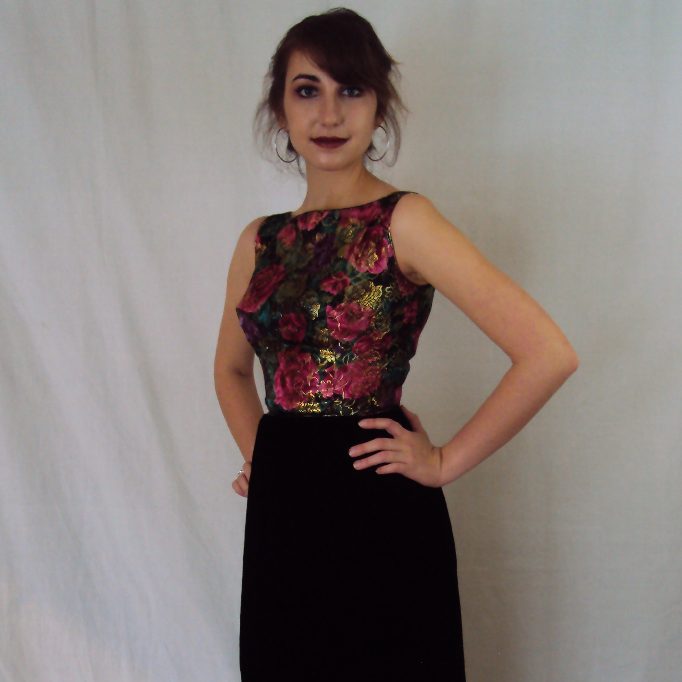
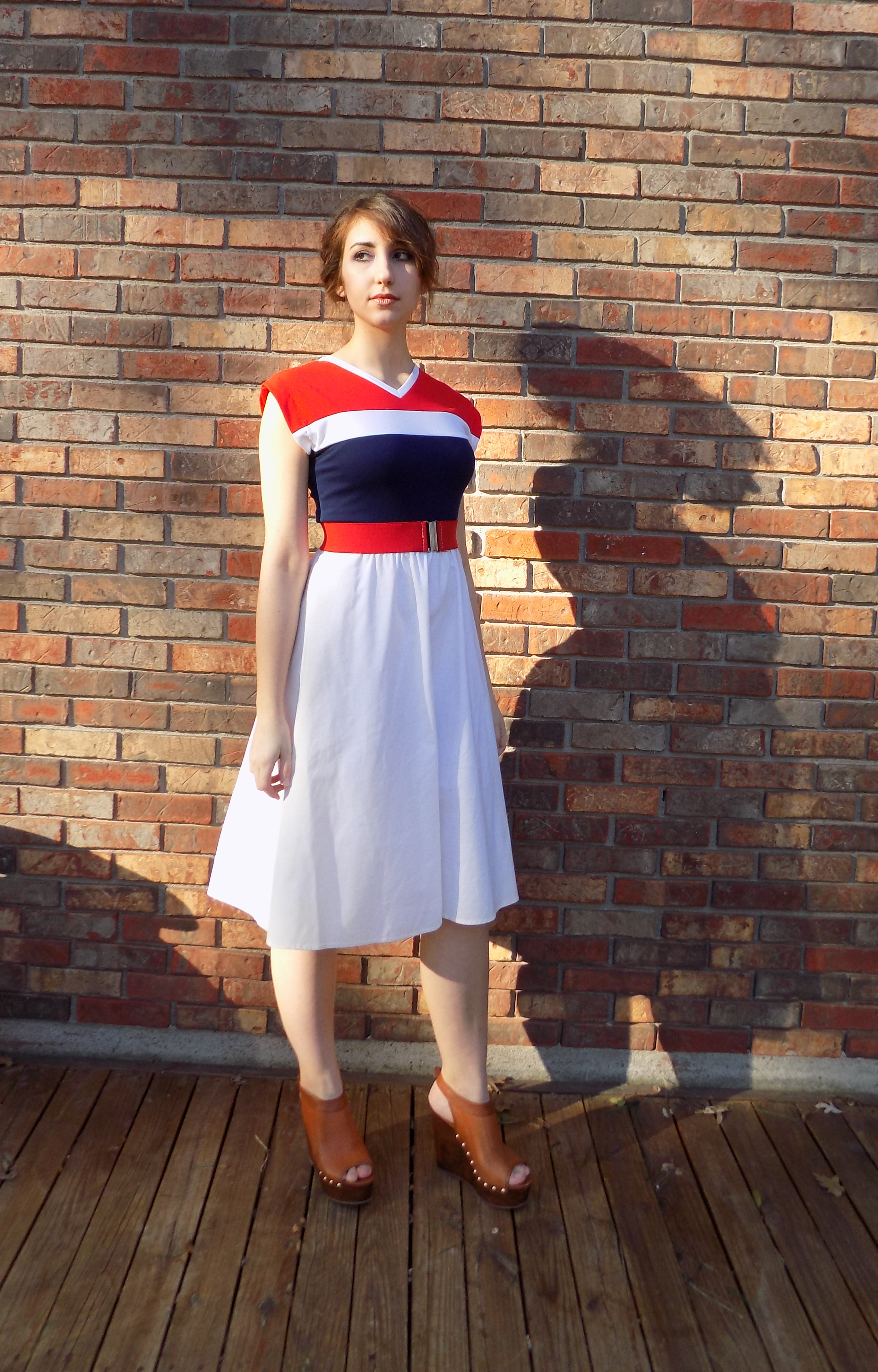
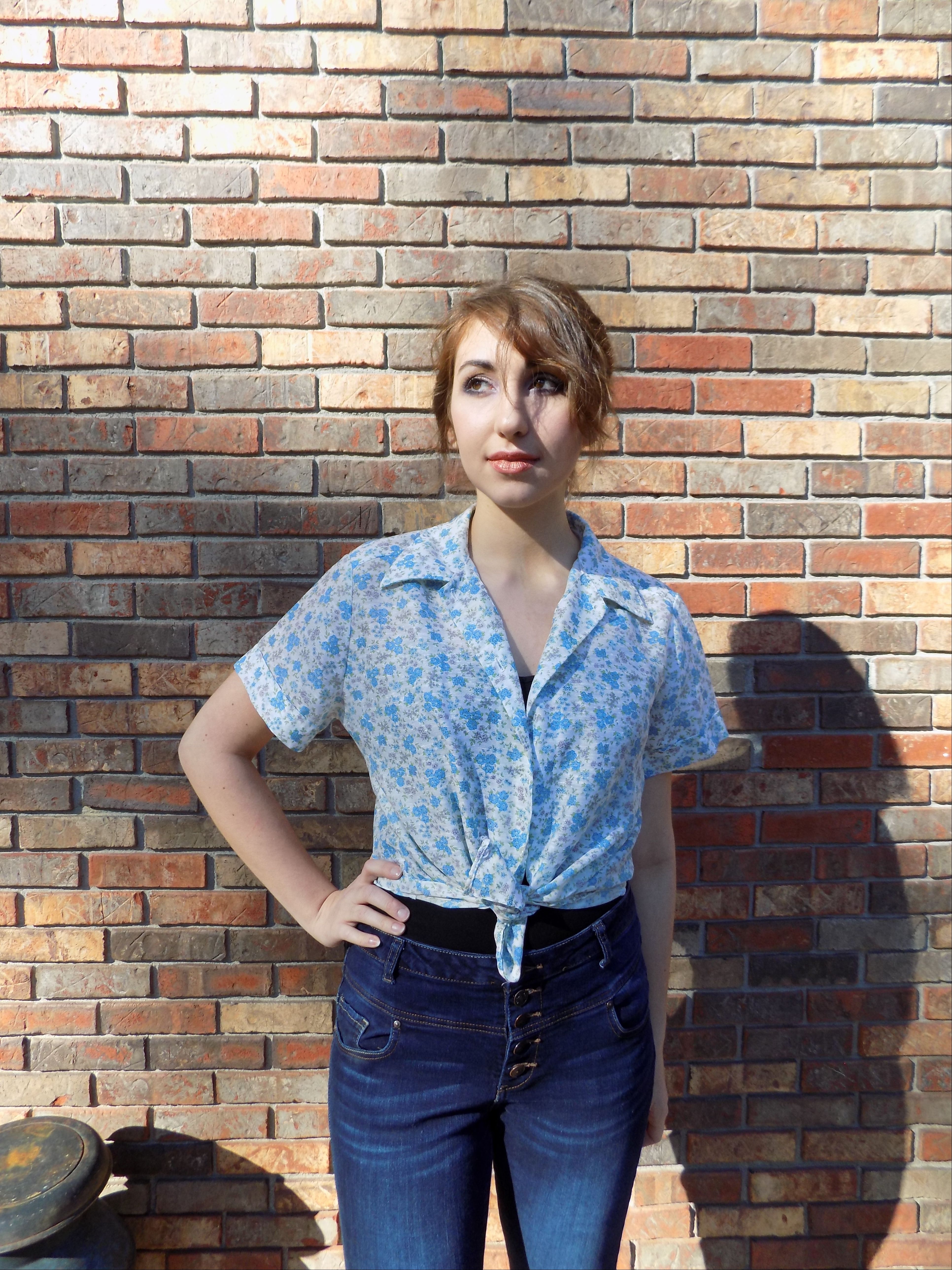
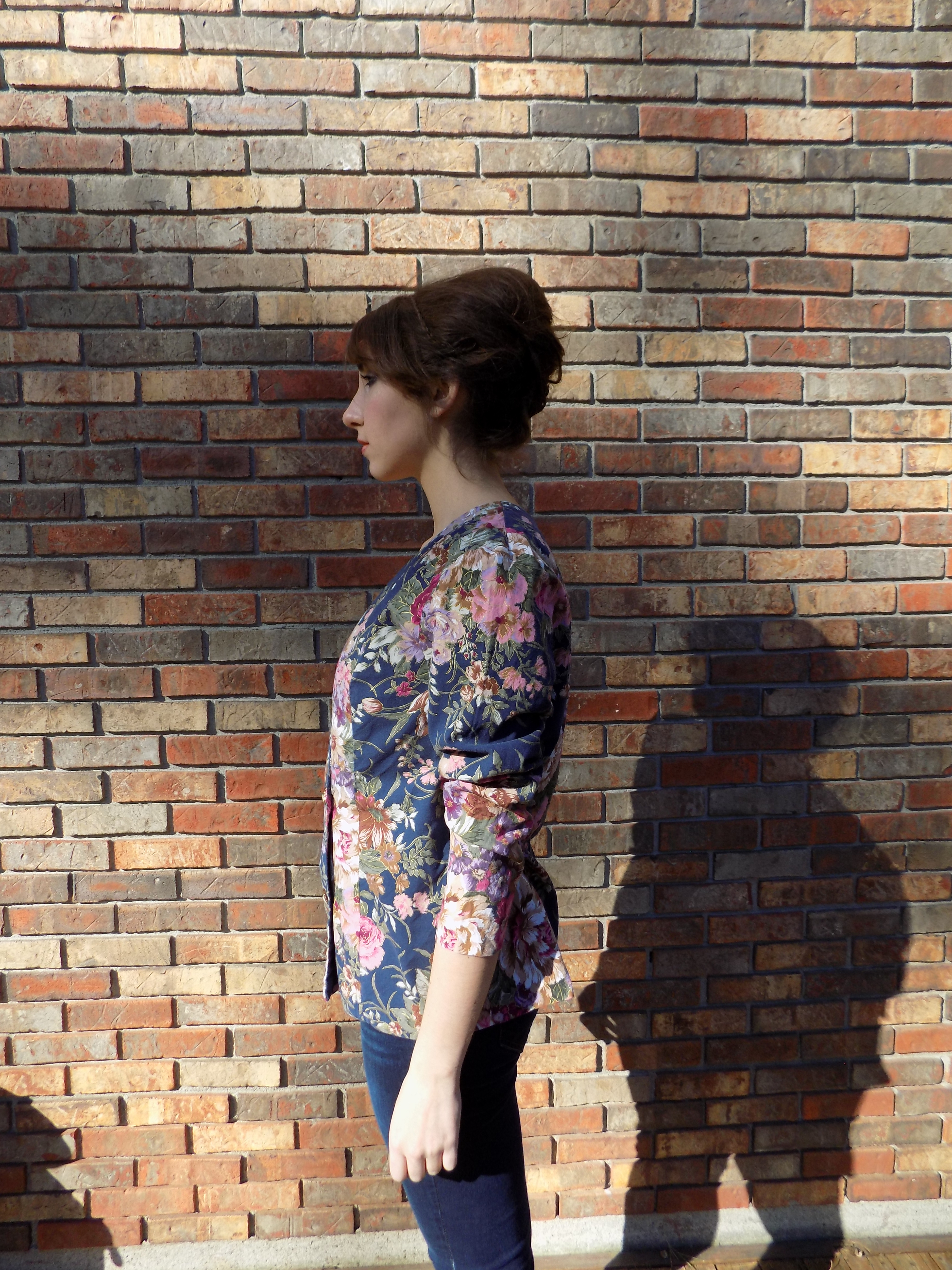
The vintage clothing market is gaining steam thanks to an uptick in eco-friendly fashion. Buying and wearing vintage clothing may not make you Captain Planet, but it does have a bigger environmental impact than many people are aware of. From a 1970s maxi dress to a 1990s tube top, vintage fashion is unique, beautiful, historical, and easy on the Earth.
Waste Not, Want Not
Modern society makes it easy to discard and forget – no need to think about where the garbage goes. As a consumer-driven society with an ever-increasing fast fashion footprint, clothing waste is making a big, bad environmental impact. The fashion industry is responsible for 10% of greenhouse gas emissions and 20% of global wastewater, according to the BBC.
The Environmental Protection Agency reports that 11.8 million tons of textiles (including clothing and footwear) were sent to landfills in 2018, making up more than seven percent of landfill waste. That is a big chunk of garbage, and the solution to reducing the environmental impact of clothing waste is simple: buy used.
Benefits Of Buying Pre-Loved Vintage
Fast fashion may be cheap and trendy, but often poor quality and produced with questionable labor practices. Pre-owned clothing, and vintage in particular, offer an array of benefits that can’t be found in fast fashion.
Quality Craftsmanship
Vintage clothing is OLD. Generally, the resale market considers something vintage if it is 20+ years old, but many vintage pieces have been around for decades and some even a century or more. These garments were made to last, and they can continue to be worn and loved for a long time with proper care and storage. Durability is an important part of keeping clothing in closets and out of the trash.
One-Of-A-Kind Style
The older a vintage piece, the greater the likelihood that it is rare and there aren’t many others like it still circulating. Stylish consumers know that wearing vintage means they will stand out in a crowd. Some of the most beautiful vintage dresses were made by hand and are one-of-a-kind gems that won’t be found at department stores.
Budget Friendly
While celebrities often wear vintage and archival designer looks on the red carpet, the average consumer can get the same wow factor by sourcing vintage in a more reachable price point. Incredible pieces can be found for the same price as buying new. One stylish consumer estimates that she saved approximately $25,000 buying vintage and pre-loved. Iconic voice of fashion Vogue has compiled a great resource of online vintage fashion sources that gives options at all price points.
Upcycling & Recycling
The most well-known upcycler in popular culture is Molly RIngwald’s character Andie in Pretty in Pink, who famously re-worked her friend’s dress into a modern, show-stopping look for prom. While not everyone agrees that the upcycled dress was the better version (there are vintage purists who are focused on the historical preservation of garments), re-working can be a great eco-friendly option.
In the past, clothing was often passed down in families and tailored/resized for the new owner. The currently hot upcycling trend is very similar, and there are many ways to go about it. Options range from working with a local atelier for a one-of-a-kind fit and experience, such as re-working a grandmother’s wedding dress into something more modern, or shopping from the many vintage sellers who incorporate their own style into ready to wear reworked pieces.
The fashion world has taken notice of the upcycling trend as well. Famous high-end designers like Harris Reed, whose recent collection created from donated OXFAM clothing, are helping to bring awareness to the importance of eco-conscious fashion choices.
If it is time for a wardrobe rotation, re-selling options like consignment shops or online marketplaces such as Depop and Poshmark are a great option for finding new homes for vintage clothes. Consignment shops take on the hard work of selling and many offer store credit and trades for a wardrobe refresh. Opportunities to donate and recycle are also plentiful and a good choice for consumers not able to commit time and energy to resale. Used clothing drop-off boxes can be found all over, and thrift and charitable organizations gladly accept gently used textiles.
Make It Personal
Beyond the sustainability and environmental impact of buying vintage, though, is the personal connection to special pieces of clothing. Like Marie Kondo’s famous advice to find the spark of joy in your items, having a carefully curated closet where each piece has style and a story makes it that much harder to discard without a second thought. Vintage should have a prominent place in building a wardrobe that extends beyond the quickly changing fast fashion trends. A garment that evokes an emotional response – like the memory of a special date or first day of a new job or your grandmother’s handmade dress – is more likely to be kept, reused, or passed on to a friend or loved one. Be it vintage, pre-loved, or new from retailers focusing on sustainable production methods, dressing with a purpose can have a big impact.



 The Best Dress